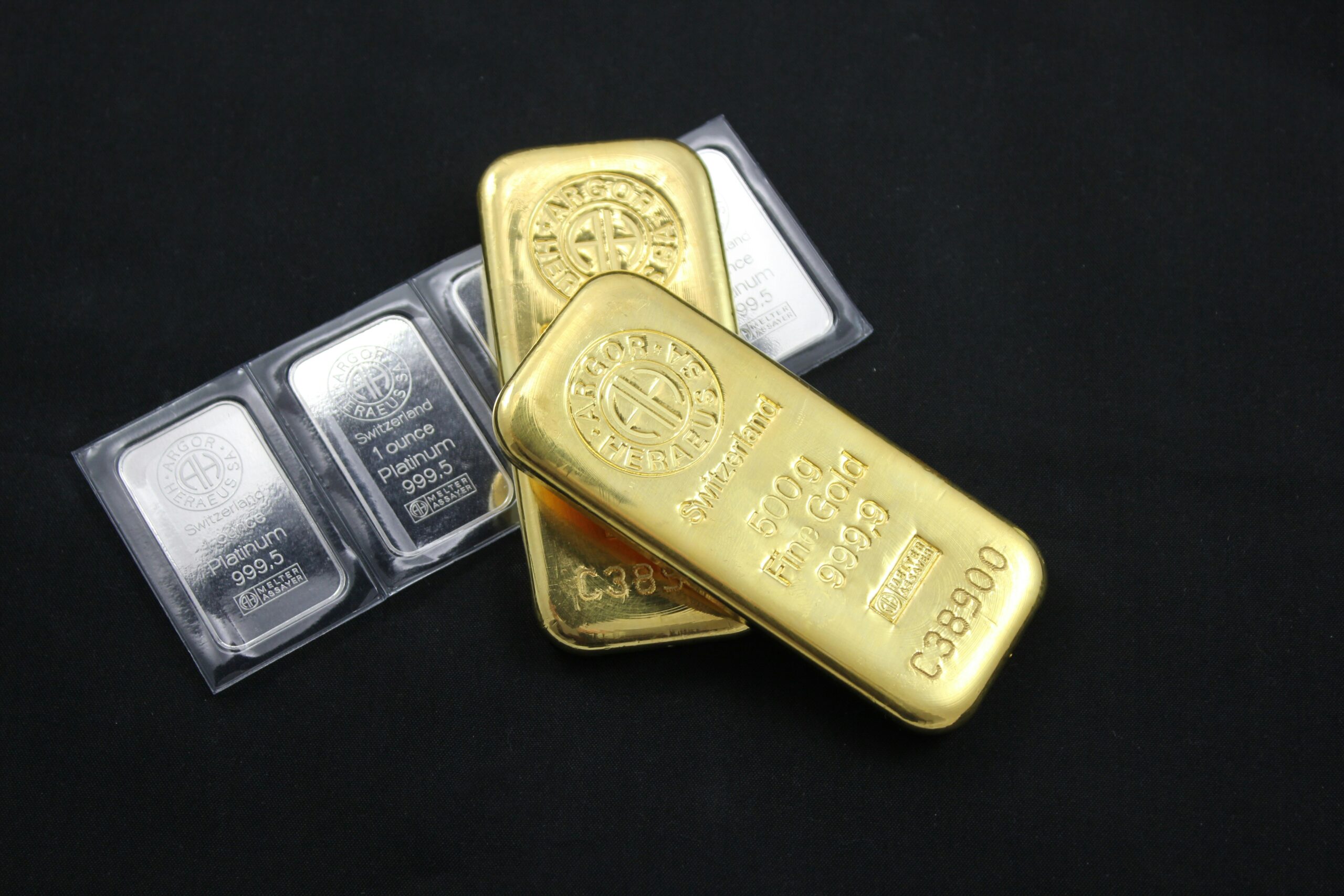

Gold has entered 2025 as one of the most discussed assets in global finance.
In October 2025, gold surpassed the $4,000 per ounce mark — a new all-time high — driven by geopolitical uncertainty, record central bank demand, and massive inflows into gold ETFs.
This surge has also been fueled by expectations of monetary policy easing and concerns over rising public debt. (AP News)
1) What’s Driving Demand: Central Banks and ETFs
Central banks remain a core driver of long-term demand for gold.
According to the World Gold Council, they have been systematically expanding their gold reserves in recent years — a trend that continued strongly in 2024–2025.
These steady purchases represent non-liquid, long-term demand that meaningfully supports prices.
In parallel, there has been a wave of inflows into gold ETFs, as both institutional and private investors seek a hedge against uncertainty.
These inflows have further accelerated the price rally seen in recent months. (World Gold Council)
2) Outlook: What Major Banks and Analysts Are Saying
Several leading financial institutions have revised their gold forecasts upward.
JP Morgan, among others, now expects sustained capital inflows into gold throughout 2025–2026, citing the likelihood of lower interest rates — historically a bullish factor for precious metals.
Similarly, HSBC and other analysts anticipate continued upward momentum over the next few months to years.
However, these forecasts remain sensitive to monetary policy shifts and geopolitical developments. (Reuters)
3) Key Fundamentals Supporting Gold
- Safe-haven demand amid global and economic uncertainty. (AP News)
- Central banks as long-term buyers — systematic purchases tighten supply. (World Gold Council)
- ETF and institutional reallocation — increasing institutional demand supports prices. (World Gold Council)
- Macroeconomic backdrop — public debt, inflation, and currency devaluation fears boost gold’s appeal as a store of value. (World Gold Council)
4) Why Investors Should Consider Gold Now
- Portfolio diversification – Gold has historically reduced portfolio volatility due to low correlation with stocks and bonds, especially during crises.
- Protection against monetary erosion and inflation – When central banks loosen policy or real yields stay low, gold tends to perform well.
- Liquidity and accessibility – Investors can choose between physical gold (coins, bars), ETFs, and certificates based on liquidity preferences.
- Participation in a growing trend – With strong institutional demand, short-term momentum may extend into medium-term growth — though not without risks. (World Gold Council)
5) Risks and Considerations
- Price volatility – Gold can rise sharply but also correct quickly if monetary policy tightens unexpectedly.
- Market timing – Buying at peaks is a real risk; many investors mitigate this through gradual accumulation (dollar-cost averaging).
- No yield or dividend – Physical gold doesn’t produce income; it serves as a store of value rather than a revenue asset.
- Storage and insurance – Physical gold requires secure storage or vault services, adding to total ownership costs.
6) Practical Application: A Brief Investor’s Guide
- Consider allocating 5–15% of your portfolio to gold, depending on your risk tolerance.
- Combine physical gold (coins/bars) with ETFs for a balance between stability and liquidity.
- Use regular purchases to reduce timing risk and smooth out price fluctuations.
- When buying physical gold, prioritize certified products, verified origin, and secure storage options.
Conclusion: Gold’s Strategic Role in 2025
Gold in 2025 is more than just a commodity — it’s a convergence of institutional demand, ETF growth, and geopolitical uncertainty that reinforces its value proposition.
For investors seeking diversification, inflation protection, or a hedge against systemic risk, gold remains a powerful tool.
Explore certified investment gold coins and bars at www.luxuryandtime.com, and consult our team for guidance on building a portfolio that balances security, value, and long-term growth.
Sources: World Gold Council — Central Bank Gold Reserves Survey, Gold Demand Trends, ETF Flows Report; Reuters and AP News coverage; JP Morgan and HSBC gold price outlooks.